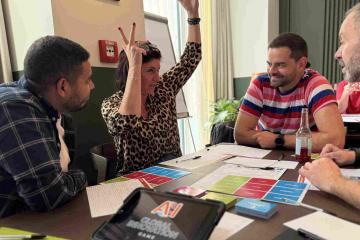
Competitive spirit fuels performance, ambition and continuous improvement. When guided effectively, it drives both individual excellence and collective success within teams.
Competition leads to people doing their personal best being the driver for success, but it can also lead to toxic ego driven mentality which undermines and destroys team objectives and company culture.
Competent sales managers create a winning and driven culture. They select likeable yet competitive, success driven individuals and assist them to understand how they are performing relative to their colleagues. They create an environment that challenges individuals to compete with themselves. Always seeking to do their best but with the freedom to step out of their comfort zone and strive for personal improvement hitting higher and higher goals.
Ensuring a competitive environment remains healthy, focus attention and create individual ownership of the big picture goals of the whole team. Find ways to encourage individuals to blend their personal goals with the company’s. Celebrate team successes, as well as individual ones. Encourage individuals to share their personal and professional goals with the group so that they can view each other as individuals, celebrate each others successes and know how to help one another achieve their common goal. Team building activities are a great way to lighten-up a competitive environment and bring fun challenges into a company culture.
Building a Healthy Competitive Culture That Drives Results
A healthy competitive culture is intentional. It balances performance with behaviour, ensuring that ambition strengthens rather than fragments teams.
Organisations that succeed in this space define both what success looks like and how it is achieved. Clear expectations, shared objectives and mutual respect create a foundation where individuals can strive for excellence without undermining others.
Experiential learning plays a critical role in developing this balance. Through structured challenges, teams experience competition in real time—testing decision-making, adaptability and performance under pressure. These environments reinforce accountability while strengthening trust and collaboration.
When designed effectively, competition becomes more than a motivator, it becomes a strategic tool for driving engagement, improving results and building high-performing teams.